Passenger vehicle
Wheel seat, thread, clearance and the vehicle model determine which lock or fastener details need review.

Application context
The same nominal part can face different interfaces, operating conditions and service demands. Start with the complete application.
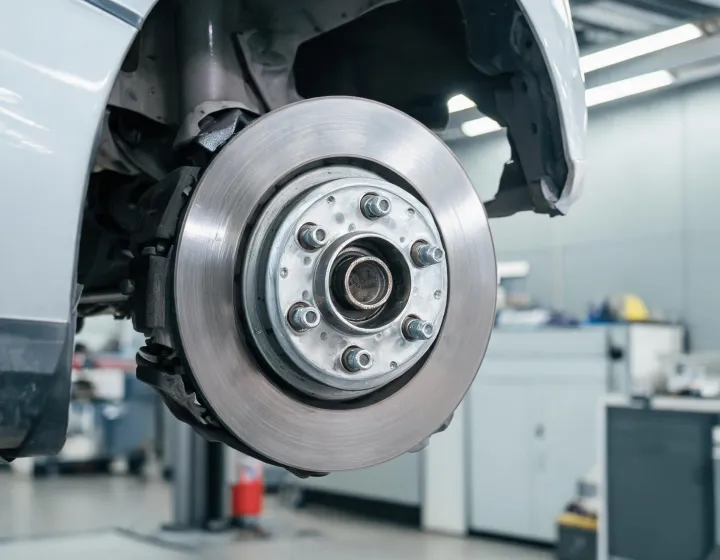
Wheel seat, thread, clearance and the vehicle model determine which lock or fastener details need review.
Load, duty cycle and service practice add context to the wheel-end interface and maintenance plan.
Clear part identification and packaging help distinguish similar bore, thread and seat configurations.
Unusual wheel geometry or operating environments call for a defined drawing and validation scope.
| Application | Interface details | Operating context | Review evidence |
|---|---|---|---|
| Passenger | PCD, bore, seat and thread | Vehicle and wheel combination | Fitment and installation instructions |
| Commercial | Fastener interface and load | Fleet duty and service schedule | Drawing and applicable test scope |
| Specialty | Clearance and mating geometry | Environment and duty cycle | Application-specific validation |
| Distribution | Part number and dimensions | Markets and catalog coverage | Identification and labeling |
For spacers, confirm thickness and available thread engagement as well as hub and wheel centering. For locks, match the seat profile and thread to the assembly. A hub centric ring requires both mating diameters; it does not replace the need to check the rest of the wheel installation.
Applicable regulations and test methods vary with the product and destination. Provide the target market and required evidence so the scope can be checked for the specific configuration.
Send the platform, interface dimensions and quantity to begin an application review.